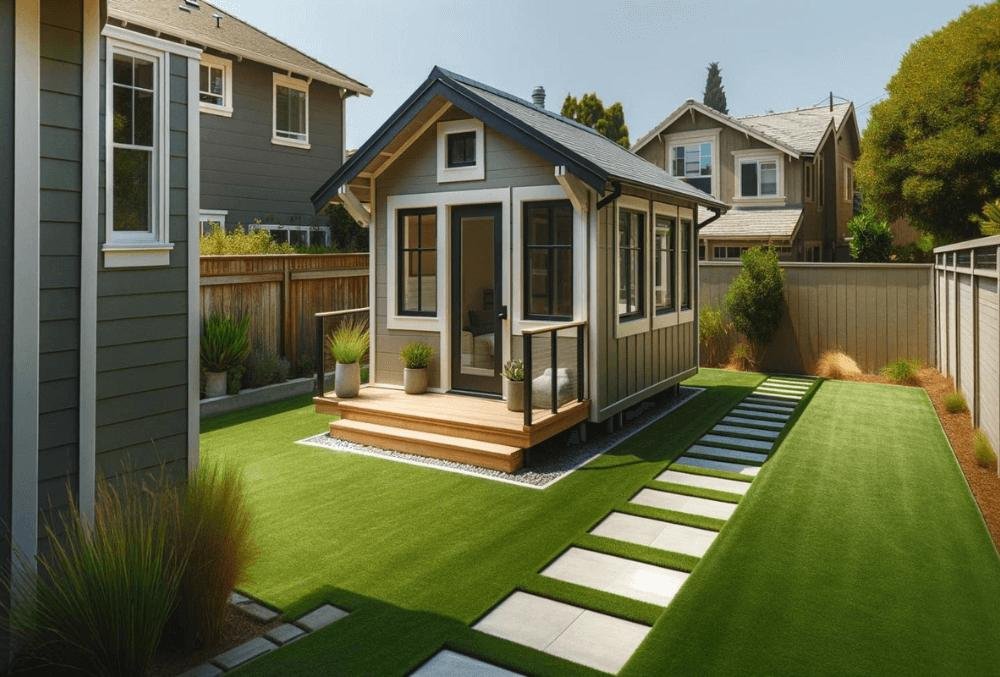
For many homeowners on Cape Cod, the idea starts simply: you need more space, but you do not want to leave the home or location you already love. Maybe your family situation is changing. Maybe you want a private space for parents, adult children, or long-term guests. Maybe you are thinking ahead and want more flexibility for the future. That is why more homeowners are looking into ADUs.
An accessory dwelling unit, or ADU, can be a smart way to add useful living space to your property without taking on the cost or stress of moving. But while the idea sounds simple, the actual process takes planning. On Cape Cod, ADU construction is not just about drawing up a small floor plan and getting started. The property, the town, the utilities, and the design all play a role in what is possible.
The good news is that when an ADU is planned the right way, it can become one of the most valuable and practical improvements you can make to your home.
Why More Cape Cod Homeowners Are Considering ADUs
Life changes, and homes often need to change with it. A house that worked perfectly a few years ago may suddenly feel too tight, too limited, or not flexible enough for the way your family lives now. An ADU gives homeowners options. It can create separation without disconnecting people. It can provide privacy while still keeping loved ones close. It can also make a property more functional in a way that feels thoughtful rather than temporary.
On Cape Cod, that flexibility matters. Many homes are in locations homeowners do not want to give up, and building an ADU can make more sense than trying to find a new place that checks every box. Instead of leaving a neighborhood you enjoy, you can improve the property you already have.
What Counts as an ADU?
An ADU is a smaller living space located on the same property as a primary residence. It may be detached, attached, or created as part of an addition, depending on the home and lot. Some ADUs are designed as comfortable guest or family spaces, while others are built to function more like a compact independent residence with its own kitchen, bath, and living area.
That flexibility is part of what makes ADUs so appealing, but it also means there is no one-size-fits-all approach. The right solution depends on the property and what you want the space to do. A homeowner looking for a simple in-law space may need something very different from someone planning a more complete separate unit.
Start With the Property, Not the Floor Plan
One of the biggest mistakes homeowners make is getting attached to a design before understanding what the property can actually support. On Cape Cod, the lot itself often shapes the project before construction even begins.
Things like setbacks, lot size, access, zoning, conservation issues, floodplain concerns, and existing utilities can all affect the direction of the project. Even if an ADU seems straightforward on paper, the real-world conditions of the property may require changes to the layout, size, or overall plan.
That is why early evaluation matters so much. Before focusing too heavily on finishes or room layouts, it helps to understand what the property can realistically accommodate. A better process usually starts with feasibility, then design, rather than the other way around.
Utilities Matter More Than Most Homeowners Expect
When people imagine an ADU, they usually picture the finished space. They think about the bedroom, the bathroom, the windows, and the way it will look once it is complete. What often gets overlooked is the infrastructure needed to support it.
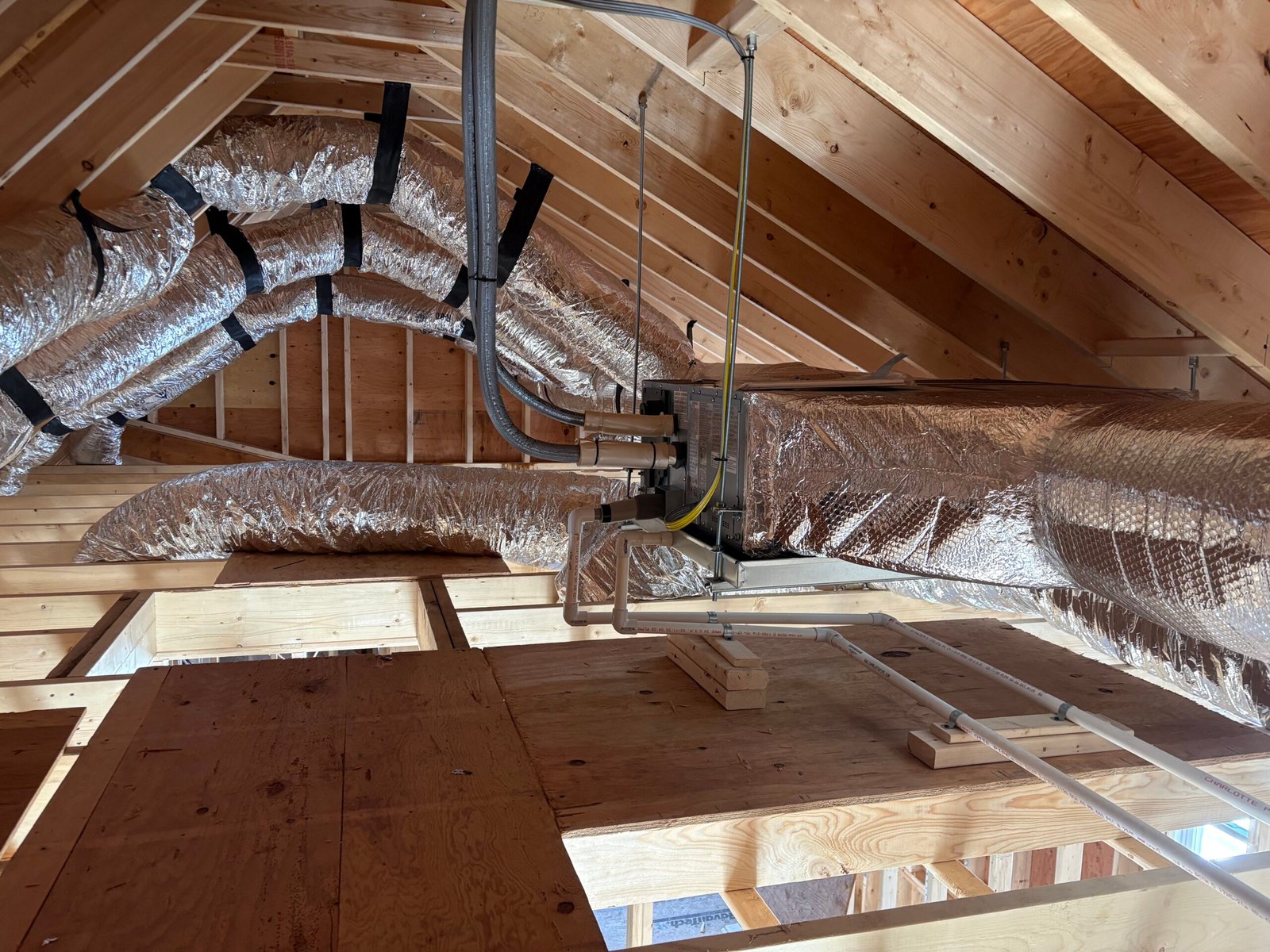
Electrical, plumbing, water, and septic all need to be considered early. On Cape Cod especially, septic capacity can become a major factor in what is possible. That alone can affect design decisions, budget, and timing. Site work may also be part of the equation, depending on the location of the ADU and the condition of the lot.
This is one reason it helps to work with a builder who understands the bigger picture. ADU construction is not just about the structure itself. It is also about how that structure connects to the land, the home, and the systems that support both.
The Design Should Feel Intentional
A good ADU should feel like a natural extension of the property, not something squeezed in as an afterthought. That does not necessarily mean it has to match the main house in every detail, but it should feel connected in style, scale, and purpose.
This is where thoughtful design becomes important. A well-designed ADU makes good use of space, brings in natural light, offers privacy where needed, and supports daily life in a way that feels comfortable. In many cases, smaller spaces work best when the layout is efficient and the details are considered carefully.
It is easy to assume that more square footage automatically means a better result, but that is not always true. A smaller ADU with a smart layout can often feel more functional and more inviting than a larger one with wasted space.
Budgeting for an ADU Means Looking Beyond the Build
One of the reasons homeowners get surprised by construction costs is that they only think about the visible part of the project. The walls, windows, flooring, and finishes are important, but they are only part of the picture.
With an ADU, the full budget may also include planning, permits, utility work, septic considerations, excavation, site preparation, and cleanup. Older homes and coastal properties can sometimes bring added complications as well. The earlier those possibilities are identified, the easier it is to build a realistic budget around the actual scope of work.
Good planning will not remove every surprise, but it can prevent many of the expensive ones.
Do Not Forget About Job Site Logistics
This may not be the most exciting part of the process, but it does matter. Construction projects generate mess, and ADUs are no exception. Depending on the scope of the work, there may be demolition debris, packaging, discarded materials, wood, drywall, and general job site waste that needs to be managed throughout the project.
Planning for cleanup ahead of time helps keep the site safer and more organized. If your ADU project involves demolition or ongoing site cleanup, arranging a dumpster rental on Cape Cod can help keep the work area cleaner and easier to manage throughout construction.
Why the Right Builder Makes a Huge Difference
ADU projects may look smaller than full custom homes, but that does not mean they are simple. In many cases, they require just as much coordination, just in a more compact footprint. There are still approvals, design decisions, property limitations, utilities, scheduling, and site conditions to work through.
That is why the builder matters so much.
A builder with local experience can help homeowners think beyond the surface-level idea and understand what the full project really involves. They can identify challenges early, guide the planning process, and help make sure the finished space feels intentional and well built.
For homeowners considering ADU construction on Cape Cod, working with an experienced local builder can make the process much smoother. A contractor who understands additions, site work, zoning issues, and Cape-specific building conditions can help turn an idea into a practical plan from start to finish.
ADU construction on Cape Cod is not just about adding extra square footage. It is about creating a space that solves a real need and adds lasting function to the property. When it is done well, an ADU can make everyday life easier, support changing family needs, and improve the long-term usefulness of the home.
The best projects start with clear goals, realistic planning, and a good understanding of the property itself. From there, the design, budget, and construction process become much easier to manage.
For homeowners who want more flexibility without leaving the home they already love, an ADU can be one of the smartest projects to consider.

Leave a Reply